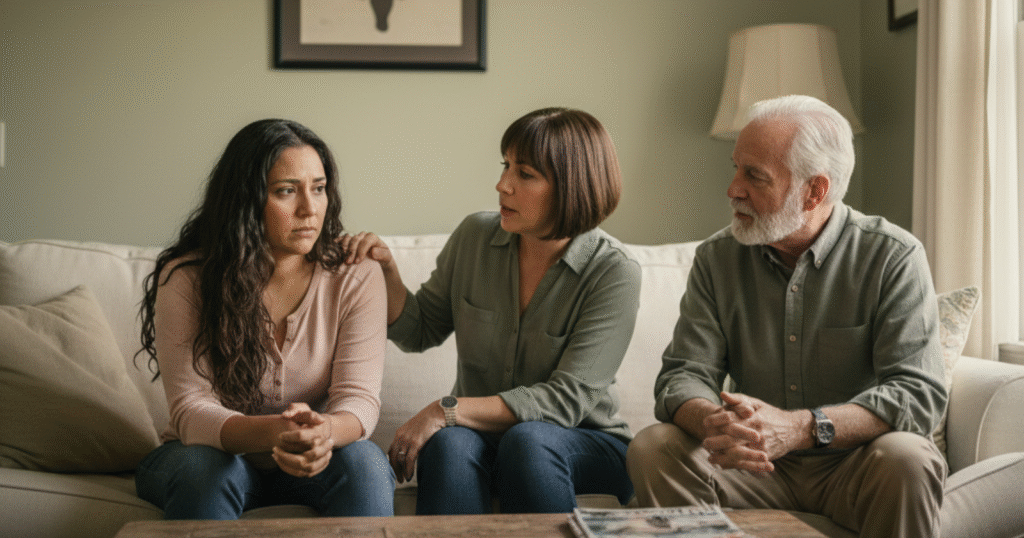
In 2026, public health officials continue to track shifting overdose trends across Florida, particularly in counties where synthetic opioids remain a persistent threat. According to the Florida Department of Health’s Substance Use Dashboard, fentanyl continues to account for a significant share of opioid-related deaths statewide, with regional spikes still appearing in updated medical examiner reports. The state’s publicly accessible surveillance data shows how quickly patterns can change from one quarter to the next, underscoring how fragile recovery progress can be.
At the national level, the Centers for Disease Control and Prevention (CDC) has reported that while overall overdose deaths have shown signs of stabilization in some regions, synthetic opioids remain the primary driver of fatalities a trend that mirrors what many Florida communities are experiencing.
Meanwhile, expanded access to naloxone and harm-reduction resources through Florida’s coordinated opioid response efforts has increased community-level prevention tools. But even with broader awareness and life-saving medications available, families often find themselves asking a more personal question long before emergency services are involved:
When is it time to hold an intervention?
These realities make understanding intervention options in Florida more urgent than ever especially for families navigating fear, denial, and the quiet hope that things might improve on their own.
The Quiet Signs Families Notice First
Interventions rarely begin with dramatic moments. They often begin quietly.
You might notice:
-
Missed work or school obligations
-
Sudden financial problems
-
Mood swings or unusual secrecy
-
Physical changes weight loss, poor hygiene, exhaustion
-
Increasing isolation
-
Legal trouble or risky behavior
-
Repeated promises to “cut back” that don’t last
In Florida, where access to nightlife, tourism, prescription medications, and illicit drugs varies widely from Miami to Jacksonville to smaller coastal towns, substance use can escalate quickly especially when denial is strong.
The most important signal?
You feel like you’re constantly worried.
That chronic anxiety families carry is often the earliest indicator that support is needed.
Waiting for “Rock Bottom” Can Be Dangerous
One of the most common myths we hear is:
“Maybe we should wait until they’re ready.”
Or worse “They have to hit rock bottom first.”
But research consistently shows that earlier intervention improves outcomes. The longer substance use continues, the more it affects brain chemistry, decision-making, and risk tolerance. In Florida, where fentanyl contamination has made street drugs far more dangerous, waiting can carry life-threatening consequences.
Rock bottom isn’t a requirement for change.
It’s often just a preventable tragedy.
When It’s Time to Consider an Intervention
It may be time for a structured intervention in Florida if:
-
Substance use is escalating in frequency or intensity
-
Your loved one has overdosed even once
-
There are co-occurring mental health concerns like depression or anxiety
-
They become defensive or aggressive when confronted
-
The family dynamic revolves around crisis management
-
You’re covering up, rescuing, or financially enabling the behavior
-
You’ve tried conversations before and nothing changes
If you’ve had the same conversation more than twice, and the pattern continues, that’s often a sign outside guidance is needed.
What an Intervention Really Looks Like
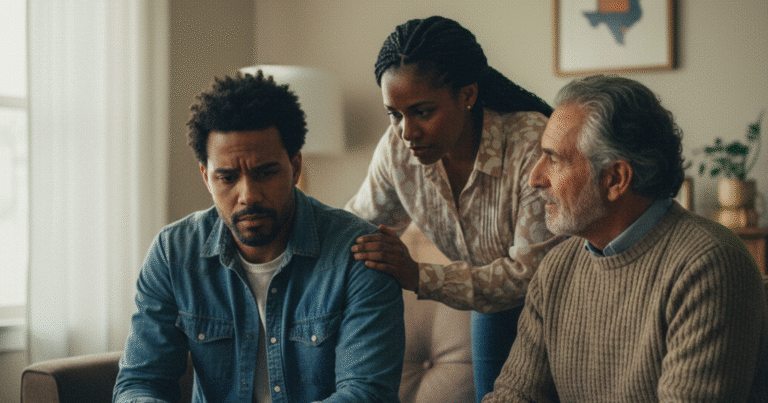
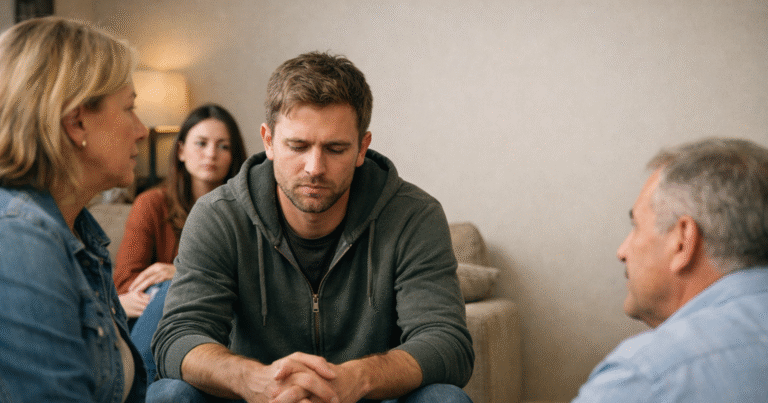
When families hear “intervention,” they often picture confrontation. But modern interventions are structured, strategic, and compassionate.
A professional interventionist in Florida helps families:
-
Prepare emotionally and logistically
-
Align on clear boundaries
-
Communicate concerns without blame
-
Present a pre-arranged treatment plan
-
Support immediate transition into care
It’s not about shaming someone into treatment.
It’s about removing chaos and replacing it with clarity.
Florida’s Unique Landscape
Florida has both extensive treatment resources and unique risks:
-
High population mobility
-
Tourist-driven nightlife and substance exposure
-
Significant opioid and stimulant availability
-
Coastal and rural access disparities
Because of this, intervention planning often requires careful coordination matching the individual to the right level of care, whether that’s detox, residential treatment, or structured outpatient programs.
That’s where we come in.
How We Support Families in Florida
At Crosswell Interventions, we work with families across Florida from Orlando to Tampa to smaller Gulf Coast communities helping them move from fear to action.
We don’t believe in one-size-fits-all solutions.
We help families:
-
Assess readiness and risk
-
Develop a personalized intervention plan
-
Coordinate treatment placement
-
Navigate insurance and logistics
-
Stay supported after admission
Our goal isn’t just getting someone into treatment.
It’s creating the conditions for sustainable recovery.
As we often tell families:
Intervention isn’t about control it’s about connection.
You Don’t Have to Wait for a Crisis
If you’re asking whether it’s time for an intervention in Florida, that question alone is important.
Families rarely search for this topic casually. They search when something feels urgent.
You don’t need a police report.
You don’t need a second overdose.
You don’t need absolute certainty.
You need support, strategy, and a plan.
And reaching out early can change everything.
You don’t have to wait for a crisis to take action. If you’re a family in Florida unsure of the next step, reaching out early can make all the difference. Connecting with a professional interventionist in Florida ensures your loved one gets compassionate, structured guidance into treatment and gives your family the clarity and support you need to move forward with confidence.