
That warning came earlier this year as California lawmakers introduced AB 1970, legislation aimed at eliminating so-called “fail-first” insurance barriers that delay access to necessary mental health and substance use disorder treatment. According to a February 17, 2026 press release from the California Assembly, the bill would remove step-therapy requirements that often force individuals to try and fail on less effective treatments before accessing appropriate care.
At the same time, the state continues rolling out its Behavioral Health Transformation efforts under Proposition 1, which expand treatment infrastructure and early intervention programs across California.
Evidence-based approaches such as Community Reinforcement and Family Training (CRAFT) focus on teaching families how to positively influence change rather than escalating conflict. Instead of ultimatums, families learn structured communication strategies that increase treatment acceptance rates.
For families, these policy shifts aren’t just headlines. They’re deeply personal. They determine whether someone you love gets help now or after another crisis.
When a Family Realizes It’s Time
In California, families are increasingly searching for answers:
What are our intervention options?
Where do we start?
How do we avoid making things worse?
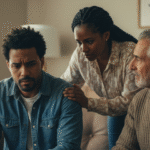
Intervention today doesn’t mean confrontation for the sake of shock value. It means structured, clinically informed engagement that increases the likelihood someone accepts help.
At Crosswell Interventions, based in Austin, Texas, we work with families nationwide, including throughout California, to guide them from uncertainty to clarity. We don’t believe in one-size-fits-all solutions. Every intervention plan we design is tailored to the individual’s clinical needs, family dynamics, and treatment readiness.
Intervention Options for Families in California
With expanded behavioral health funding and policy reform underway, California families have more pathways than ever but navigating them can be complicated.
Here’s what intervention can look like today:
1. Family-Centered Engagement Models
Evidence-based approaches such as Community Reinforcement and Family Training (CRAFT) focus on teaching families how to positively influence change rather than escalating conflict. Instead of ultimatums, families learn structured communication strategies that increase treatment acceptance rates.
2. Emotional Dissonance and The Guilt Trap
When substance use or mental health conditions have escalated, a professionally facilitated intervention can create a safe, guided environment where concerns are expressed with clarity and compassion. These interventions often include:
-
Pre-intervention family coaching
-
Clinical assessment
-
Coordinated treatment placement
-
Immediate transition into care
We work closely with treatment providers in California to ensure that once someone says “yes,” there is a clear and immediate next step.
3. Treatment Navigation & Placement Support
Even with expanded access under Proposition 1, families still face decisions about:
-
Outpatient vs. residential care
-
Dual-diagnosis treatment
-
Insurance coverage challenges
-
Geographic considerations
Our role doesn’t stop at the intervention conversation. We help families evaluate options, coordinate logistics, and stay connected through the early recovery process.
Why Timing Matters More Than Ever
Legislation like AB 1970 acknowledges what families have known for years: delays in effective treatment can have devastating consequences.
When insurance barriers slow access, relapse risk increases. Emergency room visits rise. Legal involvement becomes more likely. The longer someone remains untreated, the harder recovery can become.
California’s behavioral health reforms are working to remove systemic obstacles. But families still need someone to help them navigate the human side of crisis the conversations, the fear, the logistics, the next right step.
That’s where we come in.
Bridging Policy and Real-World Support
It’s encouraging to see California investing in behavioral health infrastructure. Expanded funding, treatment capacity, and policy reform signal real progress.
But access alone isn’t intervention.
Intervention is the moment a family decides they can’t wait any longer and chooses action rooted in care instead of panic.
At Crosswell Interventions, we believe early, compassionate intervention can shift the entire trajectory of someone’s life. We’ve seen individuals move from denial to acceptance, from isolation to structured support, and from crisis to long-term recovery planning.
If you’re a family in California unsure of your next step, know this: you don’t have to navigate policy changes, insurance barriers, and treatment decisions alone.
Sometimes the most powerful move isn’t waiting for the system to work perfectly; it’s reaching out and beginning the conversation. Connecting with a professional interventionist in California can help guide your loved one safely and compassionately into care and give your family the clarity and support you need to take the next step.