
Epidemiological Foundations and the Need for Intervention Diversity
Recent literature continues to underscore that substance use disorders (SUDs) are heterogeneous in presentation, severity, risk factors, and trajectories. A comprehensive review in World Psychiatry (2023) described SUDs as progressive, often chronic conditions involving neurobiological change, social and developmental determinants, and comorbid psychiatric illness.
Given this complexity, no single intervention type addresses all needs. Treatment gaps remain large: many people with SUDs never receive evidence-based care; among those who do, the type, intensity, and combinations of interventions vary widely. This variation reflects differences in drug type (opioid, alcohol, stimulants), patient readiness, co-occurring mental health conditions, social supports, and available clinical services.
Clinical Typology of Interventions: Behavioral, Pharmacological, Family, Community-Based
In evidence-based addiction medicine, interventions generally fall into several overlapping categories. The most effective treatment plans tend to employ multiple modalities. Below are key types with their clinical rationale and examples.
1. Behavioral and Psychotherapeutic Interventions
These include:
-
Cognitive Behavioral Therapy (CBT): Helps clients identify maladaptive thoughts and behaviors, develop coping strategies, and manage cravings and relapse risk.
-
Motivational Enhancement Therapy (MET) / Motivational Interviewing (MI): Designed to enhance intrinsic motivation for change; often used early in treatment or when there’s ambivalence.
-
Contingency Management (CM): Use of reinforcement (rewards or privileges) contingent on desired behaviors (e.g. negative drug tests, attendance). Especially valuable for certain substance use patterns.
-
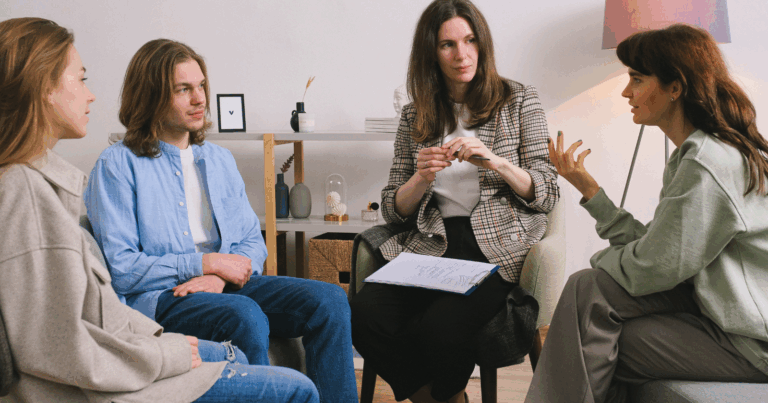
Family Therapy & Systemic Interventions: Interventions that engage family systems to improve relationship dynamics, support networks, reduce enabling behaviors, and improve treatment engagement.
2. Pharmacological / Medication-Assisted Interventions
These are clinical interventions that involve FDA- or similarly recognized approved drugs, often combined with counseling or behavioral support. They include:
-
Medications for Opioid Use Disorder (OUD): methadone, buprenorphine, extended-release naltrexone.
-
Medications for Alcohol Use Disorder: naltrexone, acamprosate, disulfiram.
-
Nicotine dependence treatments: nicotine replacement, bupropion, varenicline.
3. Brief / Early Interventions & Indicated Prevention
For individuals showing early signs of risky substance use but who may not yet meet full-criteria SUD:
-
Screening, Brief Intervention, Referral to Treatment (SBIRT): Often in medical or primary care settings.
-
Guided self-change and motivational interventions that are time-limited, focusing on increasing awareness, reducing harm, and promoting voluntary engagement in fuller treatment.
4. Community, Peer, and Supportive Interventions
These include:
-
Peer support groups and mutual-aid organizations (AA, NA, SMART Recovery) that sustain social support and accountability.
-
Community reinforcement approaches, including CRAFT (Community Reinforcement and Family Training), which involves family members and uses positive reinforcement to encourage treatment engagement.
-
Social support interventions aimed at broader determinants of risk (housing, employment, legal system involvement). A 2025 paper introduced a new taxonomy of social support interventions for people who use drugs and those involved in the legal system.
Crosswell Interventions: Clinician-Led Integration of Multiple Modalities
To address the diversity of intervention types, we at Crosswell Interventions blend clinical precision, compassion, and multifaceted intervention strategies. Based in Texas, our founder, Will Crosswell, LCSW, LCDC, EMDR, brings over a decade of experience in treating addiction, trauma, mood disorders, and helping families engage through structured interventions.
Our Framework & Offerings
- The Crosswell Method™: Our five-step roadmap (listening → invitation → planning → treatment transition → ongoing support) deliberately weaves behavioral, family, and when appropriate pharmacological elements.
-
Clinical Interventions: We facilitate professionally guided interventions (not just family confrontations), integrating psychotherapeutic approaches and readiness work.
-
Recovery Coaching & Mental Health Coaching: Beyond interventions, we support clients through relapse prevention, mental health stabilization, trauma resolution (including EMDR work), and maintaining treatment gains.
-
Accessibility and Responsiveness: We are available 24/7 to respond to crisis, because intervention timing often matters in preventing escalation.
Distinguishing Features & Measurable Outcomes
-
A significant metric: about 34% of those we serve accept the invitation to enter treatment. This is meaningful when you consider many people decline interventions or do not follow through.
-
We emphasize trauma-informed care: recognizing that substance use often overlaps with historical trauma, mental health disorders, and relational injury. EMDR and trauma-focused therapy are part of what we offer.
-
Family systems are central. We don’t treat addiction in isolation. We work with family members to shift dynamics, reduce enabling, increase support, and foster communication and boundaries.
Clinical Considerations: Matching Intervention Types to Patient Profiles
Effective intervention selection depends on:
-
Severity of disorder (mild, moderate, severe)
-
Co-occurring mental health disorders (anxiety, PTSD, depression)
-
Readiness to change (ambivalence vs crisis)
-
Social environment and supports (family, peers, legal issues)
-
Availability and access to pharmacotherapy
For example, someone with opioid use disorder and unstable housing might benefit from medication-assisted treatment + contingency management + family involvement. Someone else showing early risky alcohol use could be well served with SBIRT + motivational interviewing.
Conclusion: Toward Integrated, Person-Centered Interventions
The array of intervention types in treating substance use disorders is wide: behavioral, pharmacological, brief/early, family and support networks. What research continues to clarify is that combining modalities, tailoring to individual and relational profiles, and intervening early tend to yield the strongest outcomes.
At Crosswell Interventions, we see this typology not as categories to pick from, but building blocks we assemble into intervention plans that reflect the person, the family, and the lived context. We believe that when interventions are delivered with clinical integrity, empathy, and supportive structures, change becomes more than possible it becomes sustainable.
If you or someone you love is navigating substance use disorder, know this: you do not have to settle for one approach. Asking about what combination of intervention types can best match your situation is not just valid it’s critical. We stand ready to help you map that path, together.